Why Dads Are the Most Stressed People in the Room — and the Last Ones to Say So
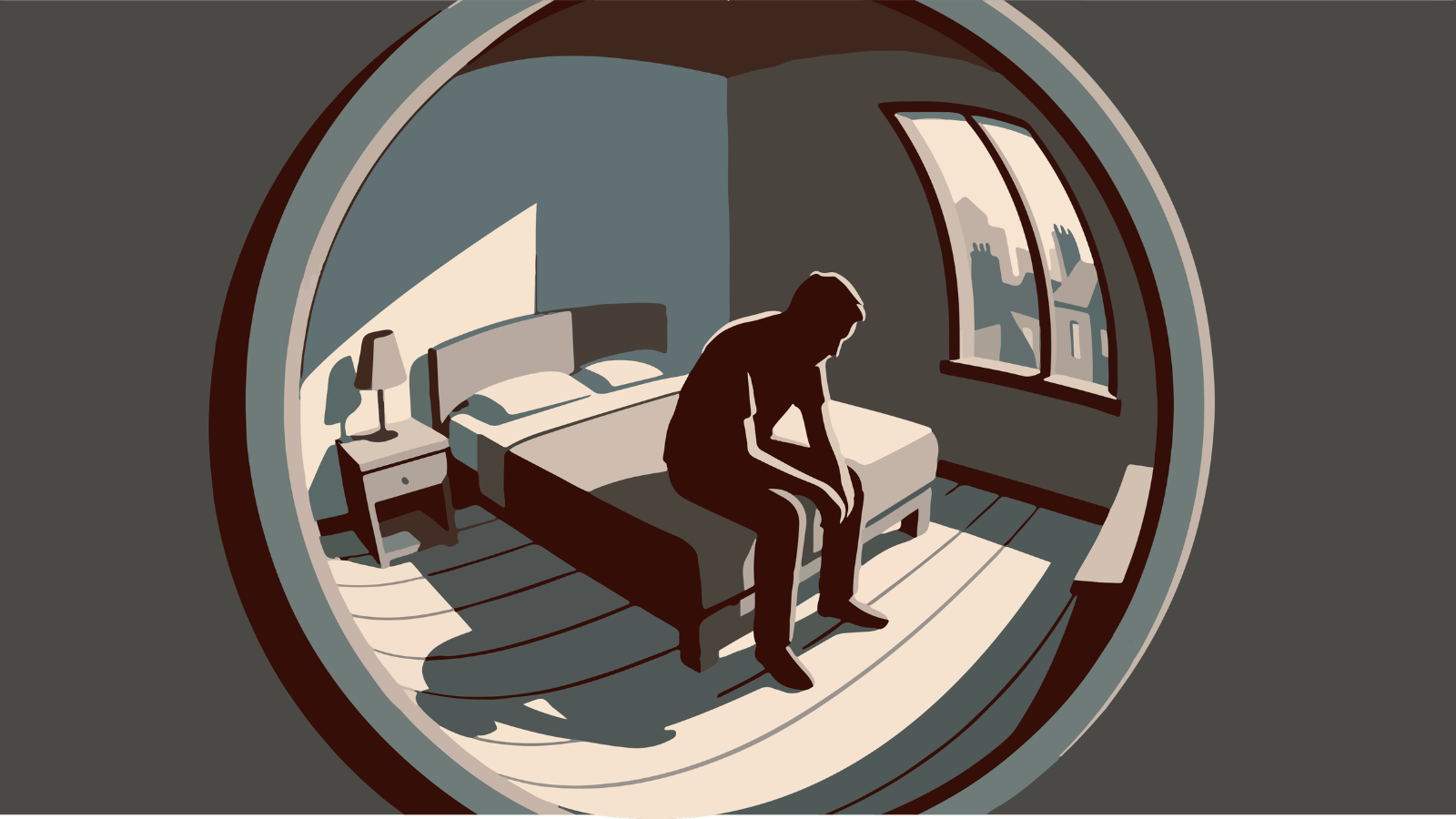
There is a number worth knowing. In a 2024 survey of parents conducted by Hims, 42 percent of dads identified as the most stressed demographic they know. The sample included more than a thousand American dads over thirty.
That number does not surprise most dads who read it. What surprises them is that someone finally said it out loud.
Because here is the thing about why dads are stressed in 2026 — it is largely invisible. Not because it isn’t real. Because men have spent decades learning, mostly without being told directly, that their version of the load doesn’t quite count. Mothers carry the mental load. That’s established, documented, and discussed. What dads carry has a different name, and most of us haven’t found it yet. Something closer to a constant background load — always on, rarely acknowledged. Pew Research has documented for years that fathers are increasingly primary contributors to both household income and active childcare — a combination that previous generations simply were not asked to sustain simultaneously.
The Wall Nobody Warned You About
Most new fathers expect the first few months to be hard. They are right. What they don’t expect is what happens at the twelve-month mark.
A study published in JAMA Network Open by researchers at the Karolinska Institutet tracked over a million fathers across nearly two decades of births in Sweden. The finding that landed hardest was this: while anxiety and other stress-related disorders actually decrease in fathers during pregnancy and immediately after birth, depression and stress-related diagnoses increase by more than 30 percent one year after the child is born.
Read that again. One year later — not during the newborn stage when everyone expects chaos, but after the dust has supposedly settled. After the meals have stopped arriving from neighbors. After the congratulations have moved on to someone else’s announcement. After you’ve quietly absorbed the new reality and convinced yourself you’re handling it.
The researchers describe it as a cumulative effect. Fathers operate in emergency mode through infancy, suppressing their own needs to keep the system running. When the acute phase ends, the adrenaline drops, and what’s been accumulating — sleep debt, relationship strain, financial pressure, identity shift — finally has nowhere to hide.
Most dads don’t recognize it as a crash. They call it getting older. They call it a rough stretch at work. They call it anything except what it is.
The Double Bind Nobody Talks About
The generation of fathers currently in their forties grew up watching their own dads define success one way. Provider. Stable. Present in the physical sense, if not always the emotional one. That model had problems, but it had clarity.
The model that replaced it asks for something different — and more. Be the provider and be emotionally present. Work the hours and make it to the games. Lead the household financially and be the dad who gets down on the floor. Both standards are applied simultaneously, and neither one comes with a permission structure for falling short.
APA research on parental stress has found that nearly half of parents describe their stress as completely overwhelming on most days. For fathers specifically, the Hims research points to what they call Role Strain — the friction that comes from holding two incompatible job descriptions and believing you’re failing at both.
The cruel part is that most of these dads are not failing. They are doing more than their fathers did by almost every measure. Time spent on active childcare by fathers has increased by more than 150 percent since the 1980s. Work demands haven’t decreased. The math doesn’t add up, and somewhere in the gap between what’s expected and what’s humanly possible, stress builds without a vocabulary to name it.
The Double Life
Then you get on the 9am Zoom call.
You have been up since five-thirty. You moved kids through a morning that felt like a logistics operation with no margin for error. Someone couldn’t find a shoe. Someone needed a signature. Someone had a meltdown at the breakfast table over something that would have been funny if you’d had any sleep. You got everyone out the door, sat down in front of a camera, and now you are presenting as a functioning professional to a room full of people who have no idea what the last ninety minutes looked like.
Most dads do this without thinking about it. The performance is so automatic it barely registers. The energy it costs to hold both versions of yourself is real. And it runs continuously. Men are significantly less likely than women to disclose family stress at work — in part because of what researchers call the “daddy track,” the professional perception that prioritizing family signals reduced commitment. So they don’t say anything. They close the laptop at the end of the day and carry both loads home.
The Misdiagnosis
Here is where the biology becomes relevant, and where most men lose the thread entirely.
The 2024 Hims survey found that 88 percent of dads know that low testosterone causes fatigue. Only 10 percent connect their own irritability, impatience, low motivation, and mental fog to their hormonal health. The rest attribute it to working too hard, not sleeping enough, or simply getting older.
In many cases, what’s happening looks like a feedback loop. Chronic stress elevates cortisol. Elevated cortisol suppresses testosterone production. Lower testosterone increases fatigue, reduces emotional regulation, and makes everything harder — including the patience required to be the dad you’re trying to be. Then the gap between who you want to be and how you’re showing up adds more stress, which elevates more cortisol, which suppresses more testosterone.
Men tend to interpret this as a character problem. A willpower problem. A need to push through. The research suggests it is a physiological response to an unsustainable load — and that treating it like a moral failing is exactly what keeps it running.
Why the Room Stays Quiet
Many dads experiencing elevated stress report that their symptoms were dismissed by people around them — told they were just being weak when they tried to name what they were carrying.
You learn quickly from that kind of feedback. You stop naming it.
So dad stress doesn’t sound like “I’m not doing well.” It sounds like staying late at the office when there’s nothing urgent there. It sounds like the phone that gets picked up instead of the conversation that needs to happen. It sounds like irritability that gets blamed on traffic or a bad day at work, because those are acceptable explanations and the real one isn’t.
Paternal mental health is almost never screened at pediatric visits — a gap noted in a 2024 paper published in Health Affairs — despite growing evidence that a father’s mental state directly affects his children’s behavioral development. The same research shows that paternal stress and depression correlate with behavioral problems in kids that persist for years. This isn’t just about dads feeling better. The stakes are higher than that.
What to Do With This
None of this is an argument for men to process their stress differently than they’re built to process it. Side by side works better than face to face for most of us. The truck ride conversation is real. The point isn’t to manufacture emotional disclosure — it’s to stop treating the absence of it as proof that nothing needs attention.
Know the twelve-month window. If you have a child under two, your risk of stress-related and depressive symptoms is elevated right now — not because you’re weak, but because the biology and the load are both running hot. Pay attention during this window.
Take the hormonal question seriously. If you are irritable, foggy, low-energy, and impatient in ways that don’t match who you want to be, get your testosterone and cortisol checked before you spend another year deciding it’s a willpower problem. It takes one appointment. Most men never make it.
Put one standing thing on the calendar with another man. Not a plan you’ll get to eventually. An actual recurring block — a walk, a gym session, thirty minutes in a truck going somewhere. The research on male connection is consistent: it builds side by side, not face to face. The conversation that needs to happen will happen when you’re both doing something else. Schedule the something else.
The 42 percent are not outliers. They are the room you’re already in. Most of them will never say anything about it. A few will figure out what they’re carrying before it figures them out first.
That gap — between the ones who name it and the ones who don’t — is rarely about strength. It’s about information.
Get the best of MLD
The real conversations men carry but rarely have out loud. Written in real time, by a guy walking the same road. Every Thursday.
SIGN ME UPFree — No spam ever